
Home / Blog / Taxes and fees
What a condo actually costs to own in Long Branch, NJ: taxes, HOA fees and closing costs
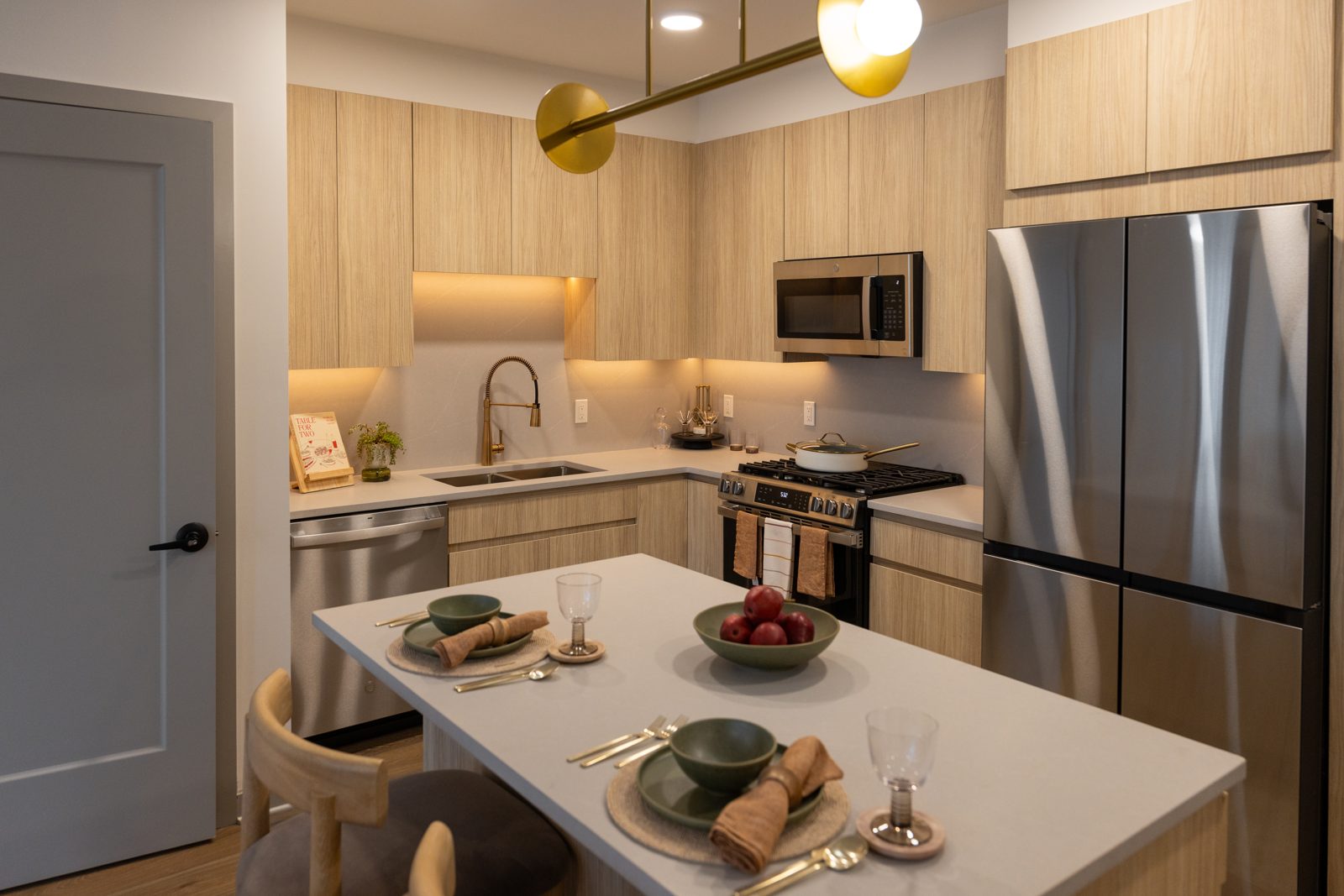
After the mortgage, a Long Branch condo owner pays two recurring costs: Long Branch, NJ property taxes and the monthly association (HOA) fee. This guide sets out the city’s published tax rate, how a brand-new condo gets its first assessment, what an association fee pays for, and what you pay at closing on new construction in New Jersey, with a source for every figure.
Key takeaways
- Long Branch’s general tax rate for 2025 was 1.500 per $100 of assessed value, down from 1.537 in 2024.
- The average residential tax bill in Long Branch was $12,635 in 2025.
- Long Branch reassesses every property every year, and a new condo is first taxed through a prorated “added assessment.”
- The Public Offering Statement for a new New Jersey condo must show the association budget and an estimated tax for each unit.
- By law the seller owes New Jersey’s Realty Transfer Fee and, on deeds recorded since July 10, 2025, the Graduated Percent Fee (the old “mansion tax,” 1% to 3.5% on sales over $1 million); a contract can shift either cost to the buyer, so check yours and the Public Offering Statement.
Long Branch, NJ property taxes: the rate
The 2025 general tax rate in Long Branch is 1.500 per $100 of assessed value. A home assessed at $100,000 pays $1,500 a year; one assessed at $750,000 pays $11,250.
The rate is set each year by the Monmouth County Board of Taxation and published by the New Jersey Division of Taxation (2025 General Tax Rates). It has come down three years running: 1.553 in 2023, 1.537 in 2024 and 1.500 in 2025. Because every assessment is reset to market value each year, a lower rate does not mean a lower bill: the average Long Branch residential bill rose from $11,647 in 2024 to $12,635 in 2025. We could not find the 2026 rate in state or county publications as of November 12, 2026, although Long Branch has mailed 2026 tax bills; the city tax collector can confirm it.
Where each $100 of assessed value goes, 2025
Source: Monmouth County Board of Taxation, Certified General Tax Rates 2025. The rows add to 1.500.
Average residential tax bill, 2025
For comparison, the average residential tax bill in 2025 was $12,635 in Long Branch, $11,664 across Monmouth County and $10,340 statewide (NJ Division of Taxation, Average Residential Statistics 2025). The averages cover all Class 2 residential properties, so a condo’s bill depends on its own assessment.
The general tax rate, 2023 to 2025 (per $100 of assessed value)
The rate fell three years running while the average Long Branch bill rose from $11,647 to $12,635, because assessments reset to market value every year.
How a new condo is assessed
Long Branch is one of the Monmouth County towns that revalue every property to market value every year, under the state’s assessment demonstration program (Monmouth County Annual Reassessment Summary 2025). So the assessed value of a condo is meant to track what it would sell for, and the tax rate does the rest.
A building still under construction on October 1 is assessed only for the part that is built (a “partial assessment”), and the land is taxed as land. When construction is completed during the year, the assessor adds the rest with a prorated “added assessment” for the months left in that year; the added assessment list is filed on October 1 and the tax on it is due November 1, though collectors often bill it in installments. From the next year on, the condo is on the regular list like any other home (Handbook for New Jersey Assessors, N.J.S.A. 54:4-63.2 and 63.3).
For a new condominium you do not have to guess. New Jersey requires the developer’s Public Offering Statement to include “the estimated real estate tax on each lot, parcel, unit or interest” along with the tax rate for the last three years (N.J.A.C. 5:26-4.2).
Long Branch, NJ HOA fees: what they cover
Monthly association fees are shared at your tour and in the Public Offering Statement. In a new building that budget is a required disclosure: the Public Offering Statement must include the proposed budget at full occupancy, the monthly charge for each type of unit, the amount set aside as reserves for replacing the common elements, and a letter from an independent accountant on whether the budget is adequate (N.J.A.C. 5:26-4.2).
In a condominium the fee typically pays for insurance, the reserve fund, management, and upkeep of the common areas, including landscaping, snow removal and trash collection (Community Associations Institute). While the developer controls the association, the developer pays the full share for every unsold unit (N.J.A.C. 5:26-8.6). A New Jersey law approved January 8, 2024 (P.L.2023, c.214) also requires condo associations to fund a capital reserve study with a 30-year funding plan, for a new association within two years after owners take control of the board (NJ Department of Community Affairs).
At The Inkwell Lofts, ask at your tour for the budget page of the Public Offering Statement: it shows the fee for your home and what it covers.
Abatements and PILOTs: does this building have one?
Some new buildings in New Jersey pay a negotiated payment in lieu of taxes (a PILOT) instead of regular property tax for a set number of years. We found no public record of a PILOT or tax abatement for The Inkwell Lofts, and the state’s 2026 assessment file shows no exemption on the parcel. The building was approved as a site plan (press reports date the approval to December 2022), not under a redevelopment plan. The Public Offering Statement lists the taxes that apply to each home, and the Long Branch tax assessor can confirm the status of any property.
New construction condo closing costs in NJ
Closing costs on a new condo in New Jersey fall into two groups: the transfer charges, which the law puts on the seller unless the contract shifts them, and the buyer’s title, lender and association costs.
The seller pays, by law
Set by state schedule; new construction pays the same rates (NJ Division of Taxation, September 2026). A contract can shift it.
1% of the price on sales over $1 million, rising in steps to 3.5% over $3.5 million; on the seller since July 10, 2025 (Division of Taxation, July 9, 2025). A contract can shift it.
The buyer pays
State-regulated: $2,913 for a standard $750,000 policy ($3,496 enhanced), plus search and settlement charges (NJ Land Title Insurance Rating Bureau).
About $5,382 on the average 2025 New Jersey purchase ($615,580), including title policies (LodeStar, April 27, 2026).
If you hire one for the contract and closing; fees vary.
If the condo documents require one: capped at nine times the monthly fee (N.J.A.C. 5:26-8.6; N.J.S.A. 46:8B-15). The amount is in the Public Offering Statement.
Two protections apply. A buyer of a new unit in a registered development can cancel the contract without cause by midnight of the seventh calendar day after signing (N.J.A.C. 5:26-6.2). And on contracts prepared by a real estate licensee, either side’s attorney has three business days to review and cancel (N.J.A.C. 11:5-6.2).
A worked example
Illustrative only: a $750,000 condo in Long Branch, assuming its assessed value equals the price, at the 2025 rate.
The tax figure multiplies the assessed value by the 2025 general tax rate. Your actual bill depends on the assessor’s value for your home and the rate for the year. This guide is general information, not tax or legal advice; confirm figures with your attorney, lender and the Long Branch tax office.
Frequently asked questions
What is the property tax rate in Long Branch, NJ?
The 2025 general tax rate was 1.500 per $100 of assessed value, according to the New Jersey Division of Taxation; the effective rate, used to compare towns, was 1.370. We could not find the 2026 rate published as of November 12, 2026.
Who pays the mansion tax in New Jersey?
By law, the seller. Since July 10, 2025, New Jersey puts the Graduated Percent Fee on the seller, starting at 1% of the price on sales over $1 million. A contract can still shift it to the buyer, so have your attorney check yours.
Can I cancel a contract on a new condo in New Jersey?
Yes. In a registered planned real estate development you can cancel without cause by written notice before midnight of the seventh calendar day after you sign.
How much are the HOA fees at The Inkwell Lofts?
Monthly association fees are shared at your tour and in the Public Offering Statement. The budget in the Public Offering Statement shows the monthly charge for each type of home and what it covers.

The bottom line
In Long Branch the tax rate is published and applied to a value that is reset every year, and a new condo’s Public Offering Statement shows the estimated tax and the proposed association budget before you sign. Bring those two pages to your attorney and lender, and you start from real figures instead of guesses.
See the homes for sale at The Inkwell Lofts, or read is Long Branch a good place to live?